News
How much uncertainty can science communication tolerate?
28 Jan 2026
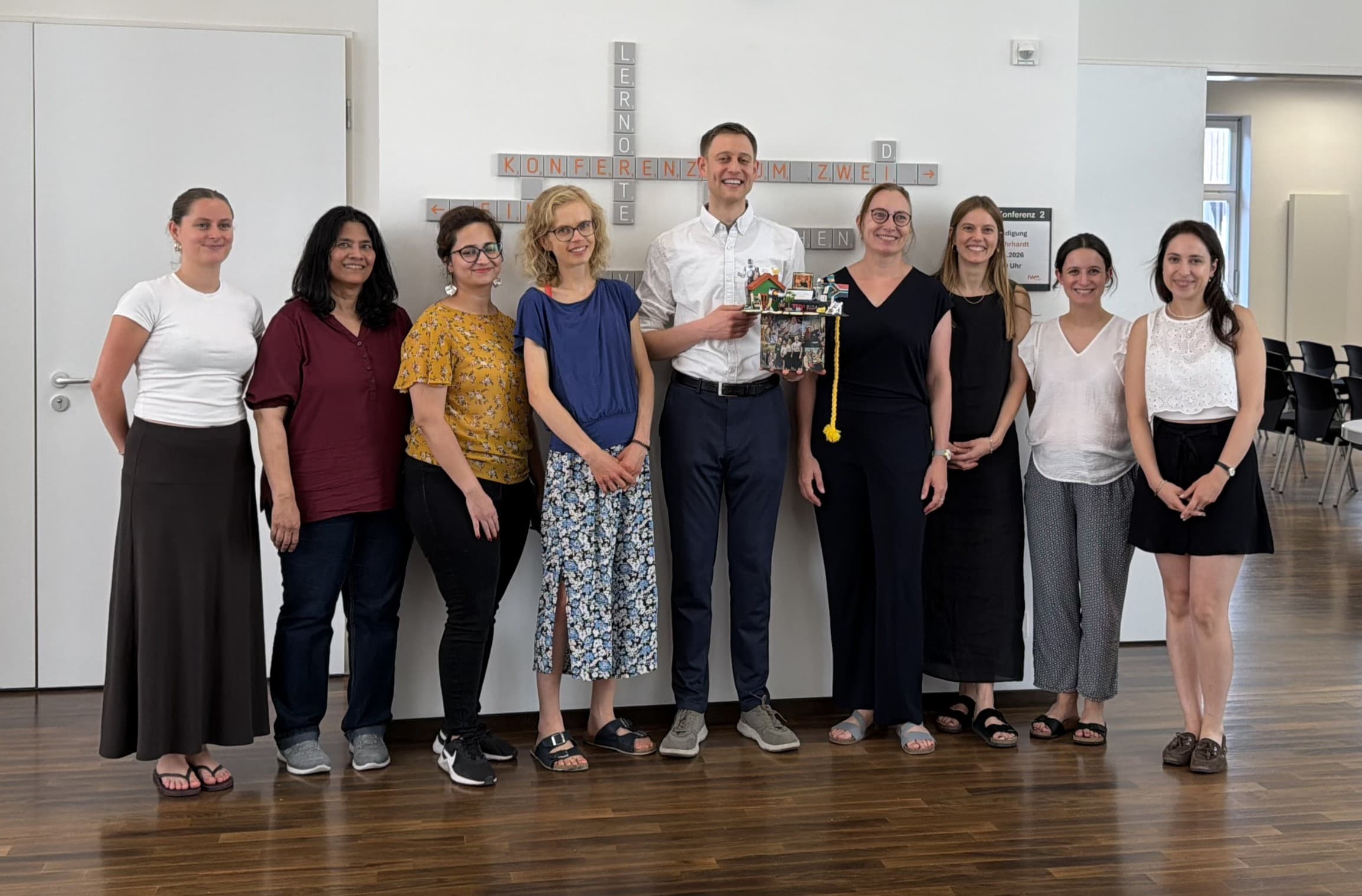
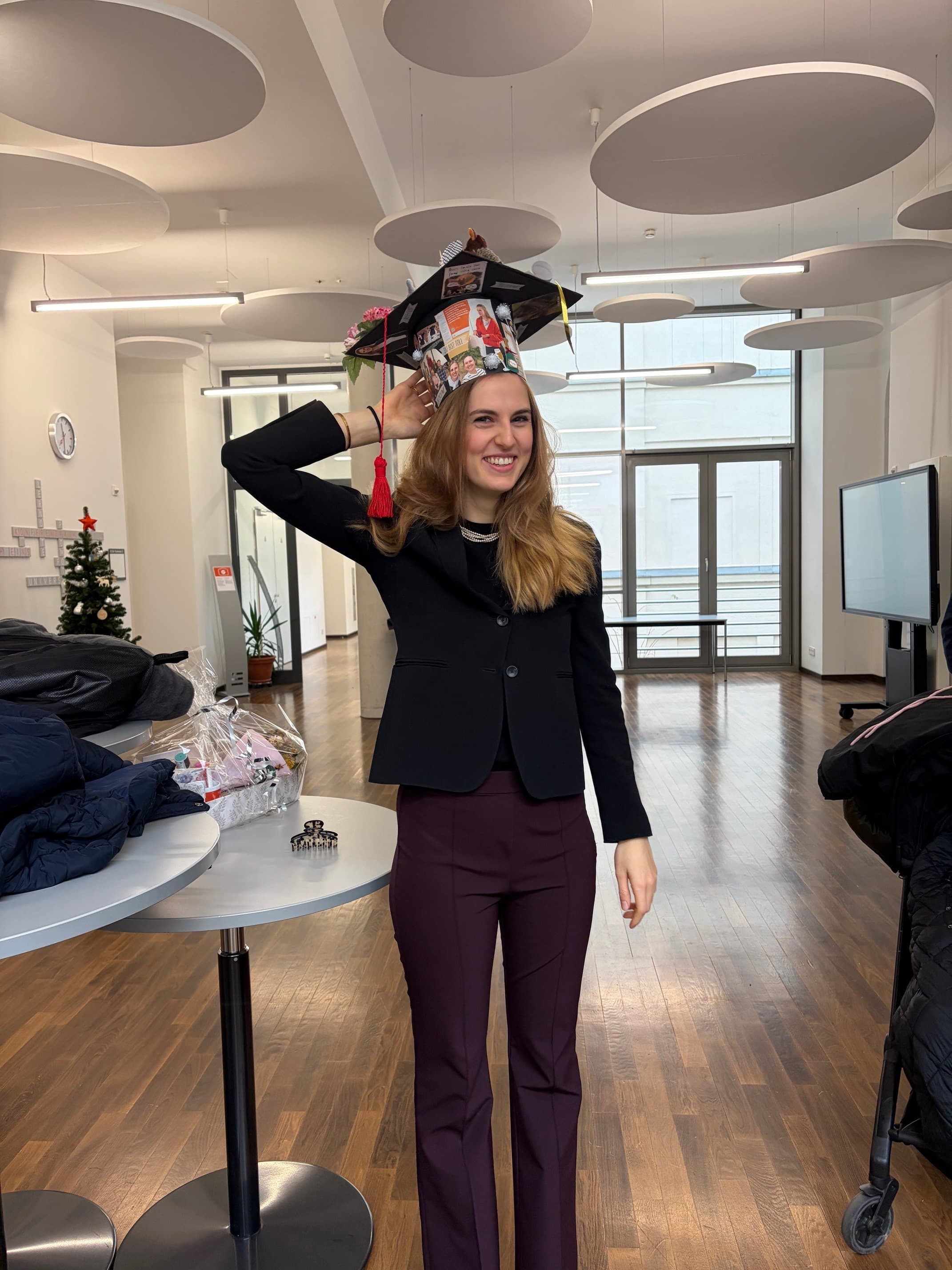
Julia Thomas successfully defends her dissertation
How can scientific uncertainty be communicated transparently without jeopardising trust in research? Julia Thomas addresses this question—highly relevant to both science and society—in her dissertation “Perceptions of Research Process Presentations: Credibility and Tentativeness of Research Findings”, which she has successfully defended.
Uncertainty as a Challenge for Science Communication
Her work builds on a fundamental tension in science communication: outside academia, research findings are often perceived as definitive, even though they are inherently provisional within scientific discourse. This discrepancy can lead to misunderstandings and a loss of trust. Julia Thomas therefore investigated how provisionality can be communicated in a way that is both comprehensible and effective.
VideT: Making Research Processes Visible and Building Trust
As part of the VideT project, the doctoral researcher from the Knowledge Construction research group developed a video-based transfer tool that visualises authentic research processes from bat ecology. Across three studies, she varied media formats (text vs. video), target groups (students, school students and the general public) and research contexts (Thailand vs. Germany).
The results show that explanatory presentations and insights into scientific reasoning increase the perception of provisionality. Among students, this was associated with lower perceived credibility, whereas in the general public, uncertainty could be communicated transparently without undermining trust.
The key finding: Epistemic transparency is essential for trust and scientific competence. Science communication should make scientific thinking more visible—laying the foundation for critical thinking and social engagement.