News
How people fill in the gaps in stories
9 Apr 2026
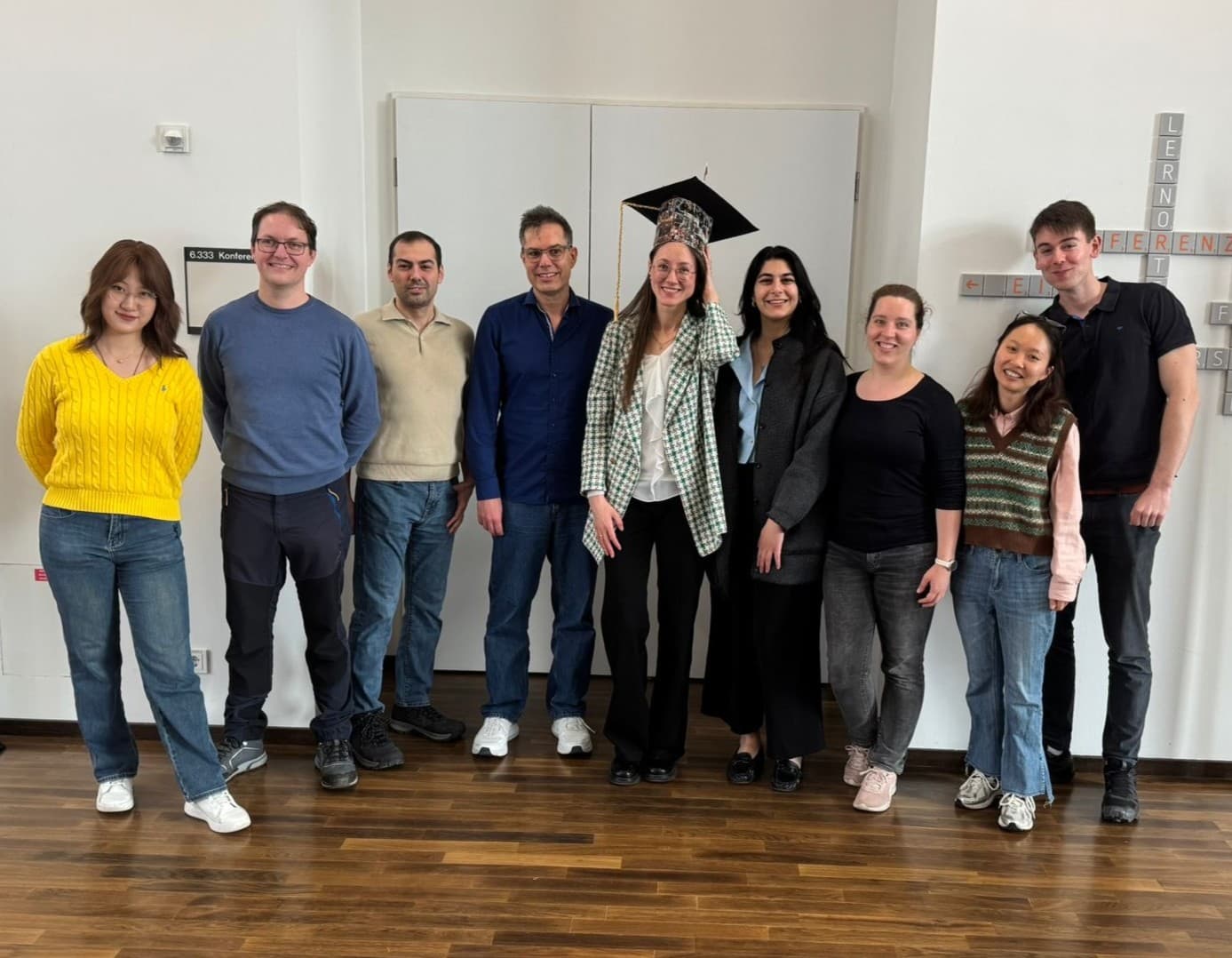
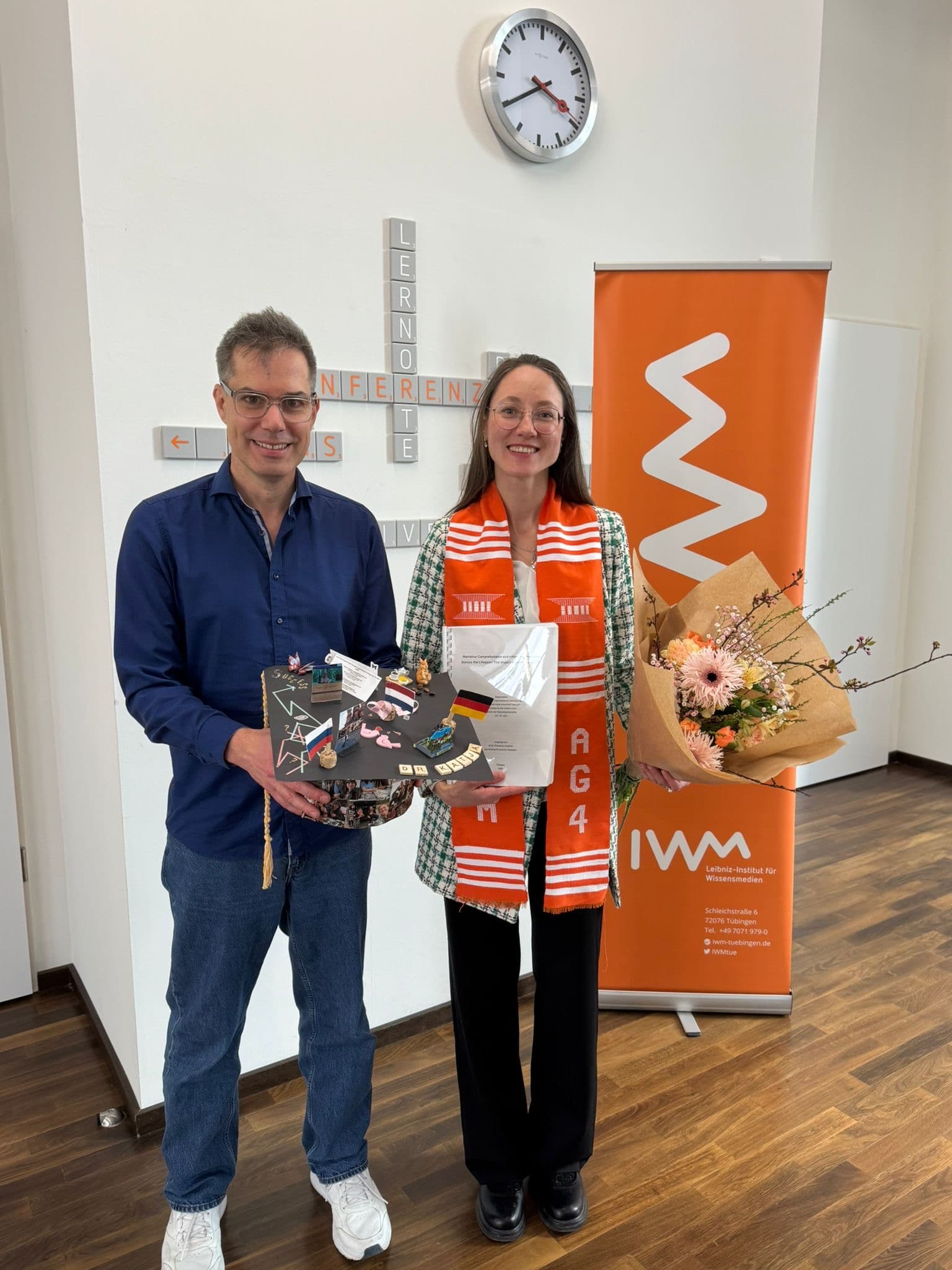
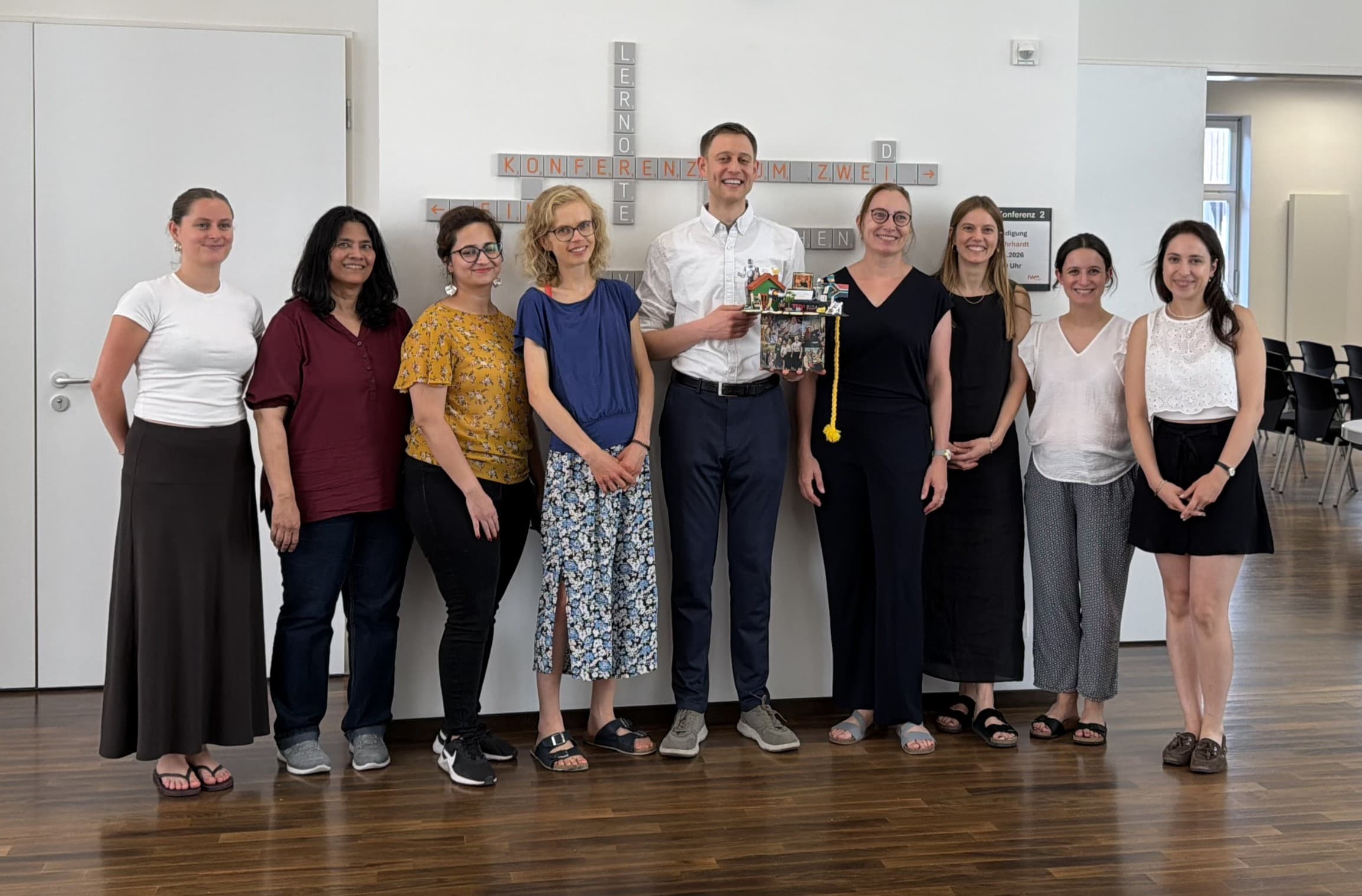
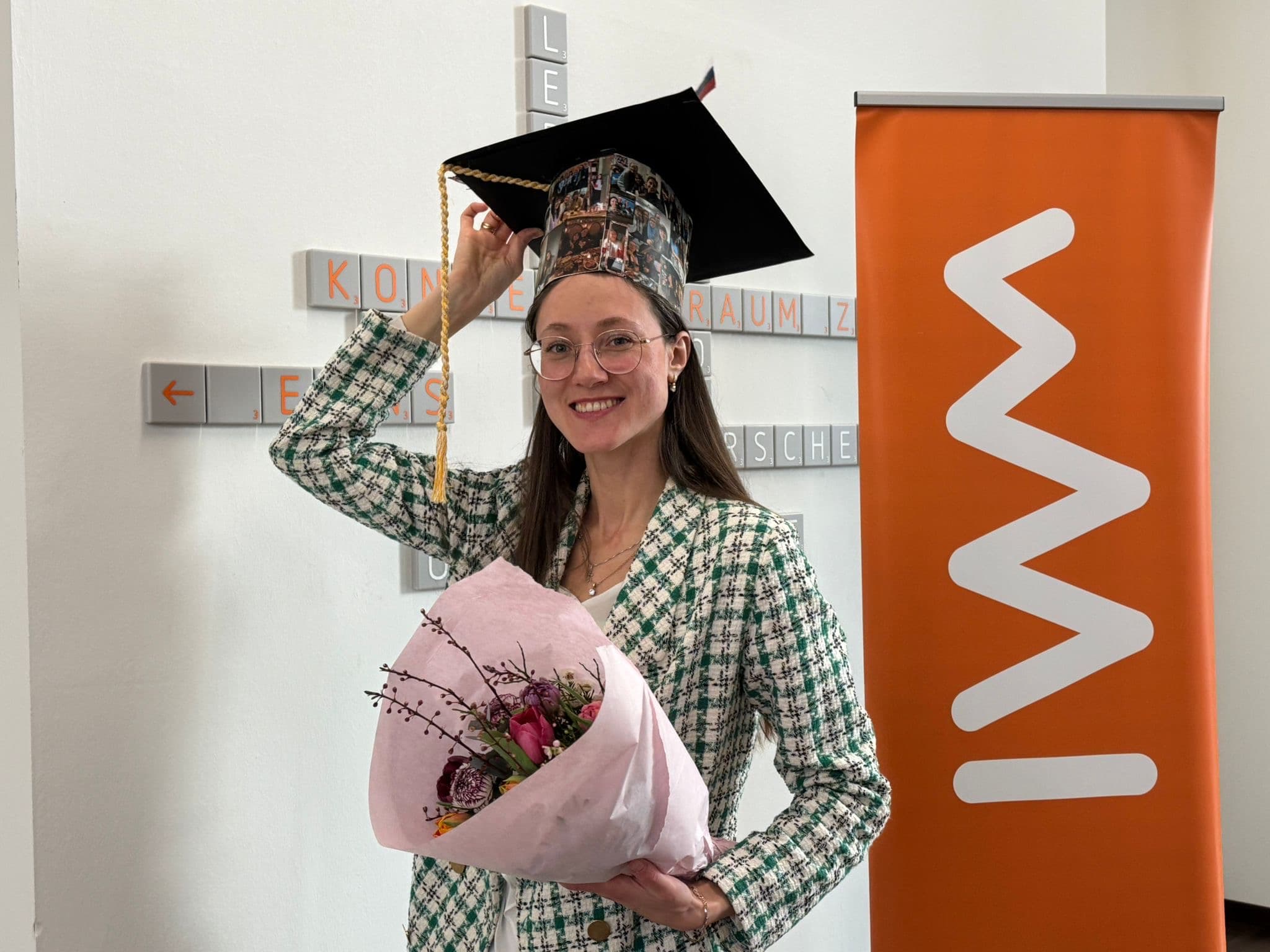
Dissertation on inference-based understanding successfully defended
What happens when a crucial event is missing from a story? People often infer connections not only from what is explicitly said or shown, but also fill in missing information themselves. Ekaterina Varkentin explored this ability for inference-based understanding in her doctoral thesis, which she successfully defended at the IWM in March.
The former PhD candidate in the Perception and Action lab investigated how people fill in gaps in short stories – and what role age and acute stress play in this process. “Against the backdrop of an ageing society and the simultaneous rise in stress levels among many people, I wanted to find out what role these two factors play in our ability to understand stories,” explains Varkentin.
Three studies on the understanding of missing information
The thesis comprises three empirical studies in which Varkentin systematically analysed various factors influencing inference-based understanding. One study focused on older adults and also took medical and health-related variables into account. Two further studies examined how acute stress affects people of different age groups.
All studies used the bridging inference paradigm. In this paradigm, participants are shown the beginning and the end of a short story, whilst the connecting event is missing. They then either decide whether a given conclusion fits the story’s narrative, or they come up with the missing passage themselves.
The results point to remarkable stability: inference-based understanding and the ability to creatively fill in missing information remain largely intact throughout the lifespan. Differences were particularly evident in how participants coped with stress: younger adults had greater difficulty recognising appropriate conclusions when under stress, whilst older adults were less affected by it.
Through her fundamental research, Ekaterina Varkentin provides important insights into our understanding of communication, learning and social participation – for example in educational and healthcare contexts, as well as in intergenerational communication.